Standing Water After Rain in Northern Virginia? Here’s What It Means for Your Lawn
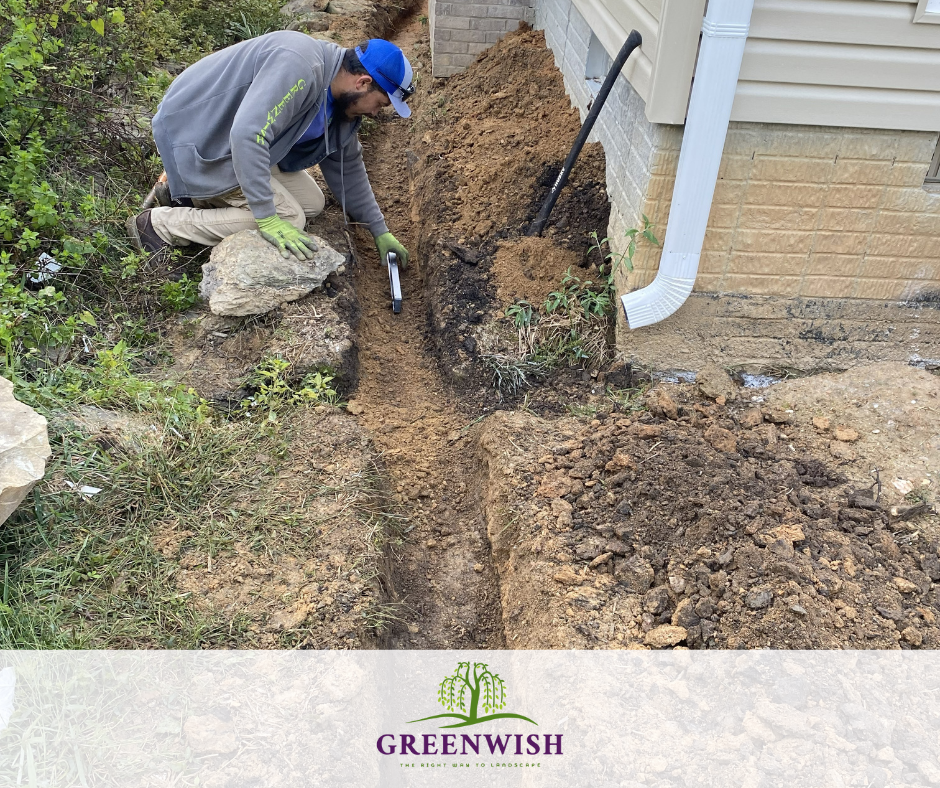
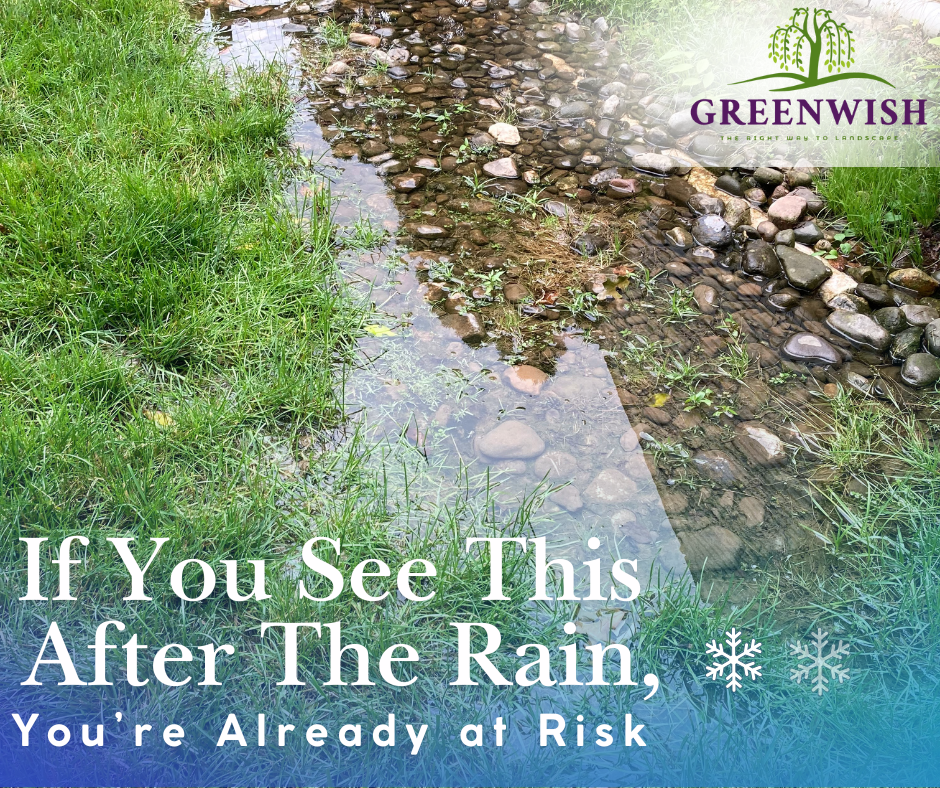
If you’ve noticed puddles or soggy areas lingering on your lawn after a rainfall, you’re not alone. Standing water is a common issue for many homeowners across Northern Virginia — but it’s not something that should be ignored. What may seem like a minor inconvenience can quickly turn into turf damage, drainage failures, or even structural problems if left unaddressed.
In this article, we’ll break down why standing water happens, what it means for your property, and when it’s time to bring in a professional.
Why Standing Water Is Common in Northern Virginia
Northern Virginia’s soil composition and weather patterns play a major role in drainage problems. Much of the region consists of heavy clay soil, which doesn’t absorb water easily. Combine that with frequent rainstorms, compacted lawns, and properties built on graded or low-lying areas, and you have the perfect conditions for water to pool.
In newer developments, drainage issues are even more common due to construction-related soil compaction and altered natural water flow.New Paragraph
What Standing Water Can Do to Your Lawn and Property
Persistent standing water isn’t just an eyesore — it can cause long-term damage, including:
- Unhealthy or dying grass due to lack of oxygen in the soil
- Weed and moss growth, which thrive in wet conditions
- Soil erosion, washing away nutrients and destabilizing landscaped areas
- Foundation concerns, such as water seeping toward your home
- Mosquito breeding, creating a nuisance and potential health risk
Over time, these issues can lead to costly repairs if not corrected early.
Common Causes of Drainage Problems
Standing water usually points to one or more underlying issues, such as:
- Poor yard grading that directs water toward low spots
- Compacted soil preventing proper absorption
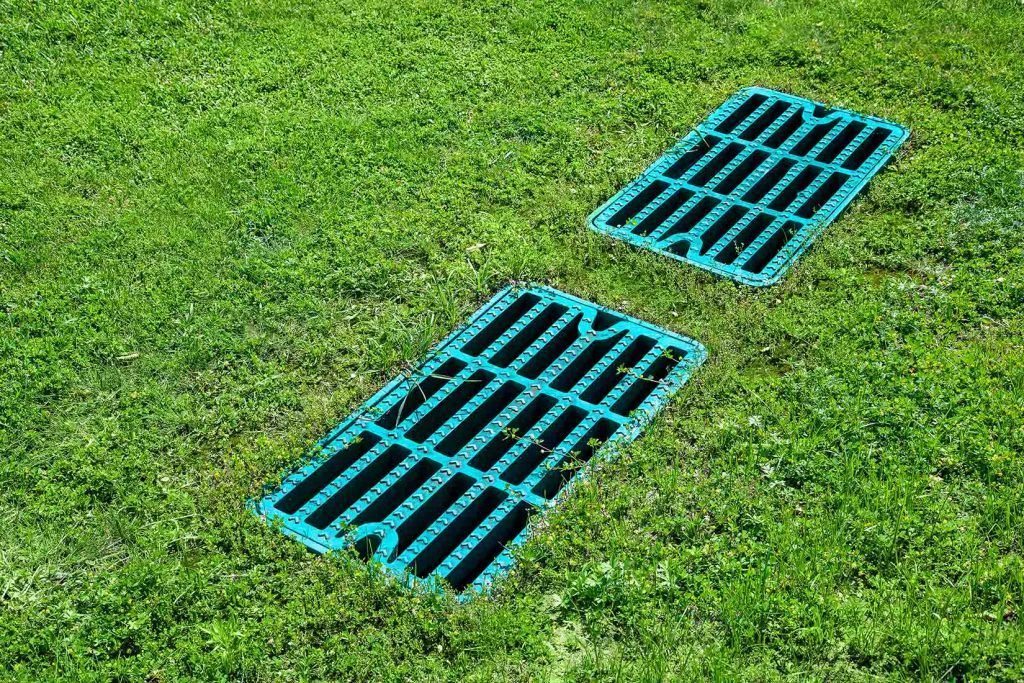
- Blocked or undersized drainage systems
- Improper downspout placement or runoff management
- Failing or outdated drainage solutions
Identifying the root cause is key — surface fixes alone often don’t solve the problem.
Professional Drainage Solutions That Work
Effective drainage solutions are tailored to each property. Depending on your layout and conditions, professional options may include:
- Yard regrading to redirect water flow
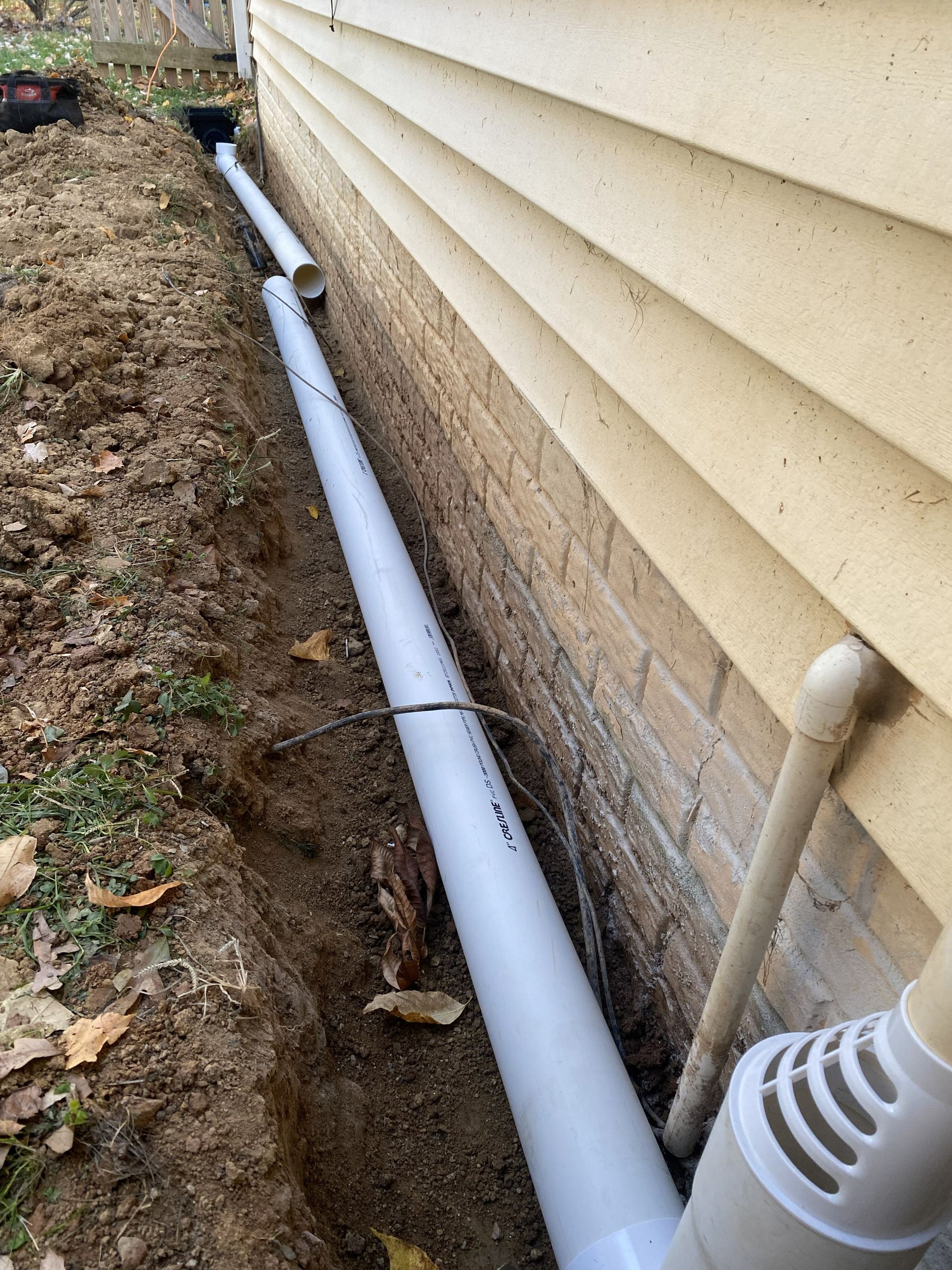
- French drains or channel drains
- Dry wells to manage excess runoff
- Downspout extensions and stormwater controls
- Turf restoration after drainage corrections
A proper evaluation ensures the solution addresses the cause — not just the symptoms.
When to Call a Professional
If standing water remains more than 24–48 hours after rainfall, appears repeatedly in the same areas, or is affecting turf health or nearby structures, it’s time to have it assessed. Early intervention can save thousands in future repairs and restore the health and usability of your outdoor space.
Trusted Drainage Solutions for Northern Virginia Properties
At GreenWish, we specialize in identifying and correcting drainage and stormwater issues for residential and commercial properties throughout Northern Virginia. Our approach focuses on long-term solutions that protect your lawn, landscape, and property investment.
If you’re dealing with standing water after rain, a professional evaluation can make all the difference.
Contact GreenWish today to schedule a drainage assessment and take the first step toward a healthier, drier lawn.